
Christian Worldview in History
- Jun 12, 2018
- 2 min read
“History is not a burden on the memory but an illumination of the soul.” ~Lord Acton
The study of history has so much to offer and yet many consider it to be a dreary topic. Some people think of history as boring, lifeless, or so old it has nothing to do with the present. With this viewpoint, they miss out on a truly enriching study that tells the story of real people in real places, who can share so much for those living in the present.

To see history from a Christian worldview is to see beyond the facts and dates and to see God. History tells the stories of thousands of people who illustrate man’s sin and his redemption, God’s character and His forgiveness. Seeing history from a Christian worldview allows us to see that God is ultimately over all.

Some Christian historians, like secular ones, use history to back their agenda. They quote scriptures and tie them to events in history. They might say that it was God’s will that Al Capone got caught for income tax evasion and therefore paid for his crimes. However to someone like Eliot Ness who had worked for years to capture the mobster, the arrest and conviction of Capone fell quite short of what his major crimes deserved. Where was God’s will in that?
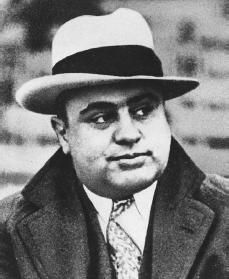
Any historian, even those with a Christian worldview needs to be careful of labeling such events in history, because in actuality, God is involved and sovereign over all things, since the creation of the world. Using Christianity as “evidence” for one particular event in history is dangerous and should be used cautiously.
A Christian worldview of history allows the historian to see God throughout history. To understand the big picture and to recognize that God is sovereign. History speaks the Bible as it shows the historian man’s sin, God’s redemption, man’s journey through faith, God’s faithfulness.

The student that journeys through history will be blessed as they experience the lives of others, see how they made decisions, and ultimately understand how the present came to be.


Comments